





 Hot Promotions
 Women's
 Bottom Wear
 Western Wear
 Lingeries & Sleepwear
 Maternity Wear
 Men's
Men's
 Men Top Wear
 Men Bottom Wear
 Men Inners


 English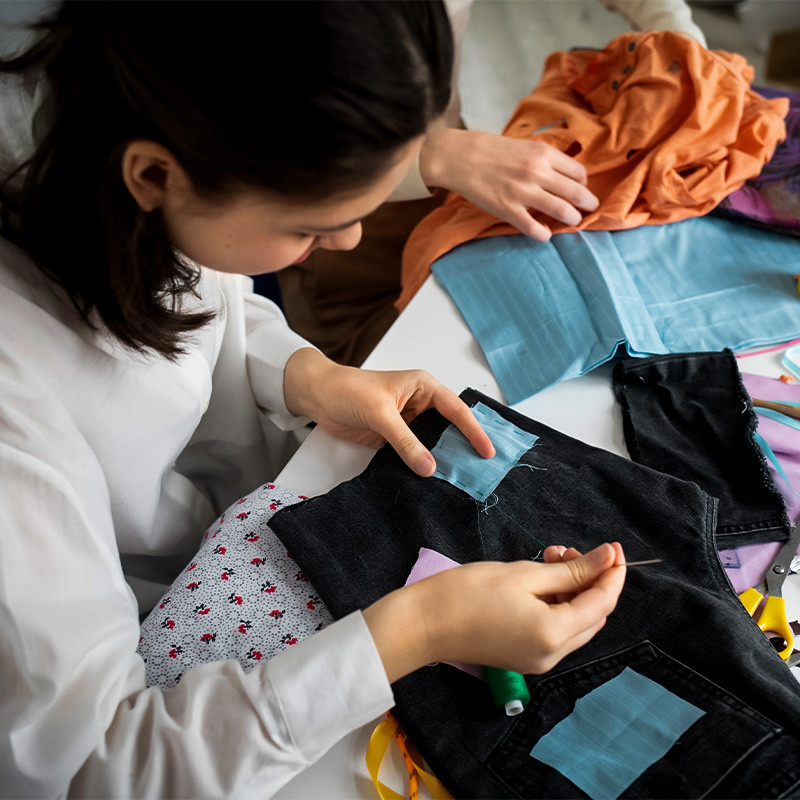

In a world that is often dominated by fleeting trends and fast consumption, the concept of slow fashion emerges as a quiet, yet powerful, counterpoint. Slow fashion, at its core, is not just a way of designing, producing, and consuming clothing, it's a philosophy, an approach that seeks to create lasting value, artistry, and purpose in each garment. It calls for an intentional shift away from the fast-paced, disposable nature of the modern fashion industry, advocating for sustainability, mindful craftsmanship, and a return to clothing that holds deeper meaning.
The Slow Fashion Movement: A Quiet Rebellion
The roots of slow fashion can be traced back to the broader slow movement, which advocates for a slower, more mindful approach to life. The slow food movement, for instance, encourages people to savor their meals, prioritizing quality ingredients, local sourcing, and the preservation of culinary traditions. In the same vein, slow fashion urges individuals to reconsider their relationship with clothing - how it is made, how it is worn, and how long it lasts.
In the contemporary fashion industry, trends are often dictated by seasonal cycles, with new collections rapidly replacing the last, creating an environment of constant consumption. This has led to the rise of “fast fashion,” a model focused on producing clothing at a high volume, at lower cost, and with quick turnaround times. While this has made fashion more accessible, it has also contributed to environmental degradation, poor labor conditions, and an unsustainable cycle of waste.
Slow fashion, however, challenges this cycle by encouraging a more thoughtful approach. Rather than focusing on quantity, it emphasizes quality, craftsmanship, and longevity. It’s about making choices that consider the long-term impact on both the wearer and the planet, advocating for a more sustainable and conscious approach to fashion.
Crafting with Intent: The Value of Thoughtful Design
At the heart of slow fashion is the idea of crafting with purpose. This means taking the time to design clothing that transcends fleeting trends and embodies a timeless aesthetic. Garments created with intention aren’t just about looking good in the moment - they’re about creating something that will continue to resonate, something that tells a story over time.
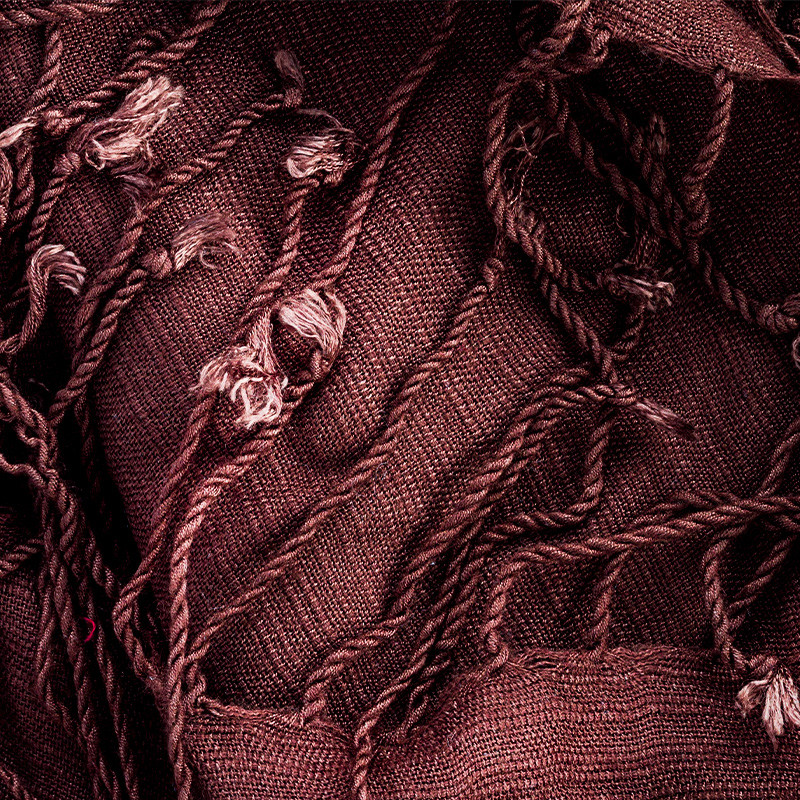
Designers who subscribe to the slow fashion philosophy understand that every stitch, every cut, and every fabric choice should be made with care and consideration. The materials used in slow fashion are often sourced responsibly, with an emphasis on natural fibers and sustainable practices. This thoughtful approach ensures that each piece not only stands the test of time in terms of design but also in terms of durability and wearability.
Unlike the fast fashion industry, which prioritizes speed and low cost, slow fashion allows for a deeper connection between the maker and the wearer. Designers have the time to perfect their craft, and customers have the opportunity to appreciate the artistry and craftsmanship that goes into each piece. This results in clothing that is not only aesthetically beautiful but also thoughtfully constructed, with every detail considered to enhance the overall experience.
Sustainability and Ethical Practices: A Commitment to the Future
Slow fashion is deeply intertwined with sustainability and ethical practices. In a world where environmental concerns are increasingly urgent, slow fashion offers a way to create clothing that minimizes harm and maximizes longevity. By opting for higher-quality materials, designers can ensure that garments last longer, reducing the need for constant replacements. This leads to less waste, fewer resources used, and a smaller carbon footprint.
Furthermore, slow fashion advocates for fair labor practices. Garment workers are often subject to poor conditions in fast fashion factories, where low wages and long hours are common. Slow fashion, however, prioritizes the fair treatment of workers, ensuring that artisans and makers are paid fairly for their time and skill. By supporting slow fashion, consumers help promote a system that values human dignity and equitable work environments.
Another key aspect of slow fashion is its encouragement of mindful consumption. Slow fashion encourages consumers to buy less but buy better. Rather than purchasing clothing based on trends or impulsive desires, slow fashion encourages individuals to invest in pieces that are made to last - pieces that align with their personal values and aesthetic preferences. This leads to more thoughtful purchasing decisions and a shift toward purchasing fewer, but higher-quality, garments.
A Shift in Mindset: Embracing Timelessness Over Trends
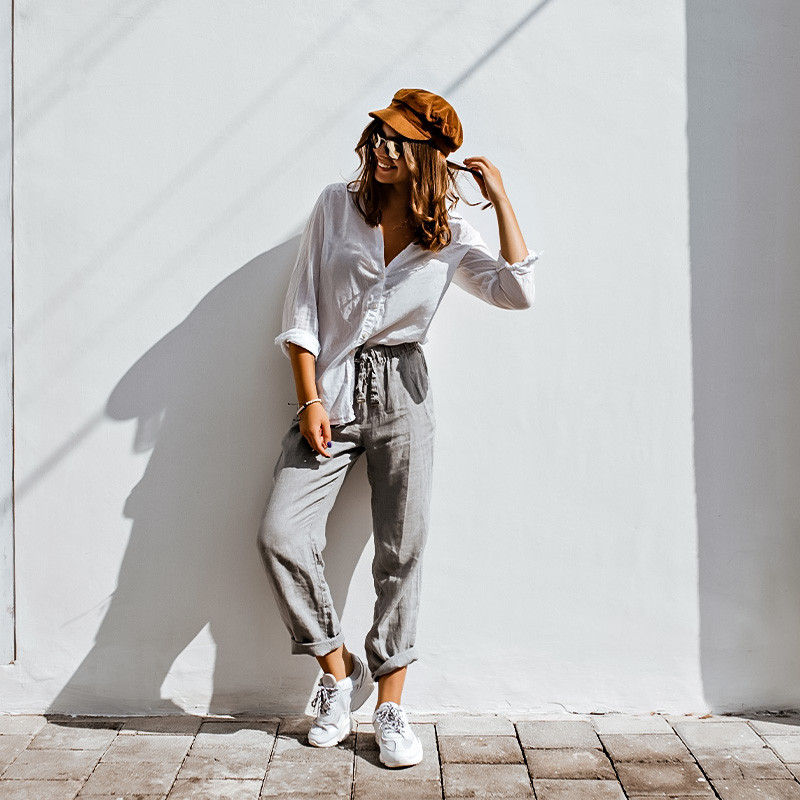
One of the most powerful aspects of slow fashion is its challenge to the cycle of constantly changing trends. In a world that often feels driven by the need to keep up with the latest fashions, slow fashion offers a refreshing alternative. Rather than chasing after the next trend, slow fashion encourages individuals to embrace timeless pieces that never go out of style.
This shift in mindset fosters a deeper connection between the consumer and their clothing. Instead of treating clothing as disposable, slow fashion encourages a more meaningful relationship with garments. Each piece is worn, loved, and cared for, forming a bond that goes beyond just the physical object.
Incorporating slow fashion into one’s life means rejecting the idea that style is defined by what’s “in” right now. It’s about finding clothing that resonates personally, that suits one’s lifestyle, and that stands the test of time. This philosophy of timelessness not only benefits the individual but also has a profound impact on the environment, as it reduces the cycle of waste and promotes longevity.
The Future of Fashion: Slow, Steady, and Purposeful
The slow fashion movement is not just a fleeting trend - it’s a philosophy that has the potential to reshape the fashion industry as we know it. As more people begin to question the true cost of fast fashion, the appeal of slow fashion grows. People are starting to realize that clothing is more than just something to wear - it’s an investment in both personal style and the future of the planet.
Slow fashion represents a return to craftsmanship, a commitment to sustainability, and a focus on timelessness over trends. It encourages consumers to consider the bigger picture, to invest in pieces that will last, and to embrace a more mindful approach to how we interact with the clothing we wear. In the end, slow fashion isn’t just about what we wear - it’s about the values we hold, the impact we make, and the legacy we leave behind.
